Home / Preparing for the Holidays / Productive Holidays for Kids: Learning Without Lessons
Preparing for the HolidaysProductive Holidays for Kids: Learning Without Lessons
A productive holiday for children does not mean lessons in the holidays. It means giving children things to do that they enjoy and that happen to teach them something: cooking, building, reading, exploring, and making, and a child who has cooked a meal, built a den, or read a book has had a productive holiday.
What productive means
Productive does not mean academic. It means the child has done something, made something, learned something, or enjoyed something, rather than spending the whole break on a screen. A child who has built a den, cooked a meal, or read a book has been productive, even if they have not done a single sum.
The pressure to make the holidays productive usually comes from a worry that the child will fall behind. That worry is understandable, but the answer is not to turn the holidays into school. It is to fill the holidays with activities that are enjoyable and that happen to be useful, because those are the ones the child will actually do.
Cooking, building and making
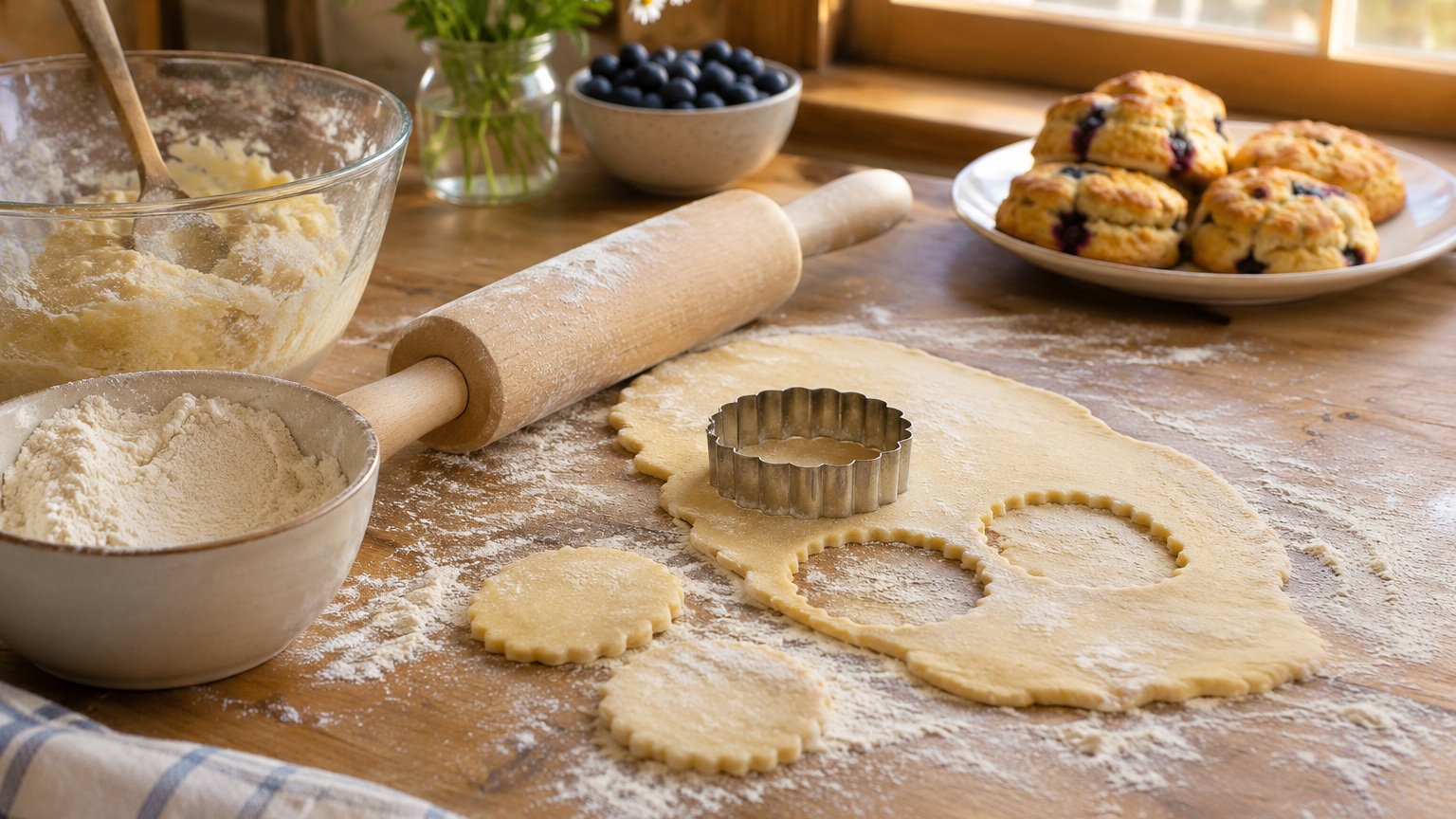
Cooking is the most productive holiday activity, because it teaches measuring, following instructions, patience, and the pleasure of making something to eat. A child who cooks a meal has learned more than a child who does a worksheet, and they have enjoyed it more too. Let the child choose the recipe, and let them do as much as they can safely do.
Building is the next best. A model, a den, a bird feeder, or a piece of flat pack furniture all teach problem solving, and they give the child something to be proud of. Making, whether it is a craft, a drawing, or a piece of sewing, teaches creativity and patience, and it gives the child a finished thing to show for their time.
Reading and exploring
Reading is the productive activity that matters most, because it keeps the child's reading going through the holidays and it stops the summer slide. A book the child chooses, read for pleasure, for twenty minutes a day, is enough. It does not need to be a school book, and it does not need to be hard.
Exploring is the other productive activity. A walk in the woods, a visit to a museum, a trip to a new place, or a bug hunt in the garden all teach observation and curiosity, and they do it without a lesson. A child who has explored has learned, even if they do not know it.
Balance, not pressure
The key is balance. A holiday that is all productive activity is not a holiday, and a holiday that is all screen time is not a good holiday either. A day with a morning activity, a free afternoon, and a quiet evening is a balanced day, and it is one that the child will enjoy and learn from.
Do not pressure the child to be productive. A child who is told to learn in the holidays will resist it, and a child who is given interesting things to do will learn without being told. The holidays are for rest and for play, and the learning follows from both, if the play is interesting enough.
Cooking, building, reading and exploring are productive, and none of them feels like a lesson. Fill the holidays with interesting things to do, and the learning will follow without any pressure.
Your checklist
- Let the child choose a recipe and do as much of the cooking as they can safely do.
- Build a model, a den, a bird feeder or a piece of flat pack furniture together.
- Choose a book for pleasure and read for twenty minutes a day.
- Take a walk in the woods, visit a museum or hunt for bugs in the garden.
- Plan a morning activity, a free afternoon and a quiet evening for a balanced day.
- Give the child interesting things to do instead of telling them to learn.
2027 at a glance
Reading for twenty minutes a day keeps reading going and stops the summer slide.
- February half-term: 15 to 19 Feb
- Easter: 26 Mar to 9 Apr
- May half-term: 31 May to 4 Jun
- Summer: 22 Jul to 31 Aug
- October half-term: 25 to 29 Oct
- Christmas: 20 Dec 2027 to 3 Jan 2028
Most common dates in England. Councils and academies can differ, so check your school's dates.
More guides on this topic